
Gum Disease Treatment – Casper, WY
Safeguard Your Smile with Gum Disease Treatment
You may not realize it, but your gums play an important role in your oral health. Not only do they provide a firm foundation for your teeth, but they also protect them from dangerous oral bacteria that can damage their roots and cause them to fall out. Unfortunately, an estimated half of all adults in the United States over the age of 20 have lost at least one tooth to gum disease. That’s why in addition to preventive oral health care, Dr. Prach is proud to offer periodontal treatment to eliminate dangerous oral bacteria and protect your teeth and gums from this harmful infection.
Why Choose Dr. Erin Prach for Gum Disease Treatment?
- Gentle, effective treatment that prioritizes your comfort
- Great at working with nervous or anxious patients
- Dental insurance accepted & maximized
What is Gum Disease?
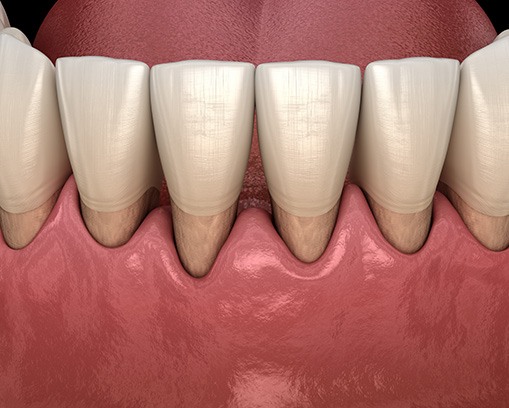
Gum disease is a bacterial infection of the gums that if left untreated, can eventually rob you of your teeth, gum tissue, and even portions of your jawbone. A recent CDC report found that nearly half of all adults aged 30 or older have some form of periodontal disease, and that number only increases with age. In fact, by age 65, over 70 percent of adults will have developed it!
There are two types of gum disease: gingivitis (the earliest stage) and periodontitis, which is a more advanced form. Although the early signs of gingivitis can be reversed by improving your oral hygiene routine, unfortunately periodontitis can only be managed, not cured, to prevent it from worsening.
Factors that may increase your risk of gum disease include smoking, vaping, or chewing tobacco, poor oral hygiene, genetics, immune-compromising conditions such as diabetes, certain medications, and hormonal changes such as pregnancy.
Symptoms of Gum Disease

Gum disease can cause a variety of symptoms depending on how advanced the condition has become. These may include:
- Chronic bad breath (halitosis)
- Red or swollen gums
- Gums that bleed when you brush or floss your teeth
- Tender gums
- Dark red gums
- Gum recession (where the gums tissue recedes and exposes more dental structure)
Signs of periodontitis:
- Pain while chewing
- Loose permanent teeth
- Sensitive teeth because of gum recession
- A change in bite
- Change in the fit of restorations, like partial dentures
- Permanent tooth loss
How Do We Treat Gum Disease?
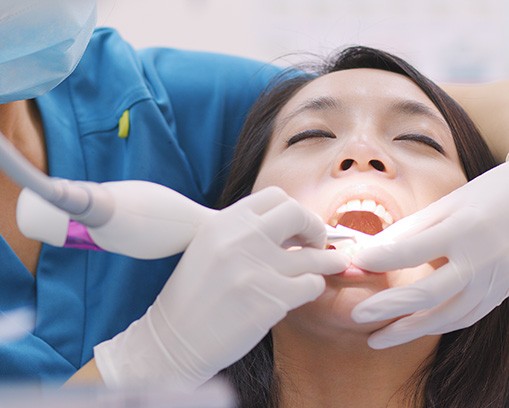
Before determining which gum disease treatment options are best for your smile, Dr. Prach will thoroughly examine your mouth and assess the severity of your condition. Based on her findings, she will discuss your treatment options with you.
Scaling & Root Planing
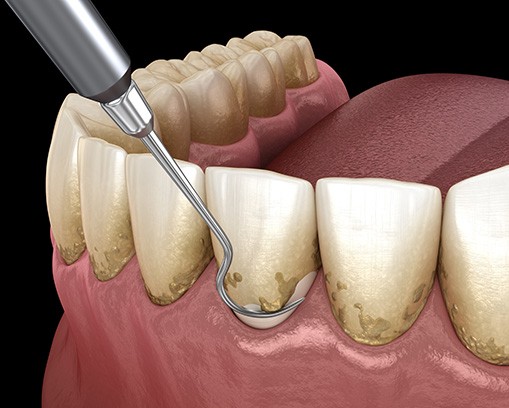
If gum disease advances to the destructive stage called periodontitis, the patient will probably require a deep cleaning to restore the health of their teeth and soft tissues. Scaling and root planing is an intensive process designed to eliminate infectious material from the teeth and gums and encourage the oral structures to reintegrate, which will help prevent future infections. Here’s a quick look at how scaling and root planing works at Dr. Prach’s office, but please contact our office online if you’d like to know more.
Do You Need Scaling & Root Planing?

While gingivitis, the first stage of gum disease characterized by mild inflammation, can usually be reversed by improving one’s oral hygiene habits, advanced infections called periodontitis will need to be resolved with professional treatments. You may need scaling and root planing if you notice symptoms like:
- Visible accumulations of plaque
- Bleeding during brushing and flossing sessions
- Swollen or puffy gum tissue
- Chronic bad breath (halitosis)
- Gum recession
The Process of Scaling & Root Planing

Scaling and root planing is a two-part process that can usually be completed in two appointments. During the first session, Dr. Prach will thoroughly remove all the plaque and tartar from your teeth using specialized instruments to minimize the presence of oral bacteria. If you have experienced any gum recession, she will scale down as far as the pockets of your gums to ensure that no destructive germs are left hiding in the area,
During the second appointment, Dr. Prach will smooth the surfaces of the roots of your teeth and remove any hardened bacterial deposits beneath your gumline. This will help your gum tissue to healthily reattach to the dental structure and protect the roots.
Aftercare Tips for Scaling & Root Planing

Scaling and root planing can be an intensive process, so it may take a few weeks for your teeth and gums to recover after the procedure. While you may experience discomfort and sensitivity while healing, you can keep your recovery process smooth by adhering to Dr. Prach’s aftercare instructions. These will probably include items like:
- Rinse your mouth with warm saltwater to ease inflammation, loosen food debris, and kill harmful bacteria. Make saltwater by mixing a quarter teaspoon of salt into eight ounces of water.
- Be careful when brushing after treatment. Take care to clean your teeth with short, circular strokes using a soft-bristled brush.
- Stick to a soft diet for at least forty-eight hours.
- Avoid foods and beverages that are spicy, sweet, acidic, or hot after scaling and root planing to prevent soft tissue irritation.
- Refrain from alcohol and tobacco use while recovering.
Take a break from intense physical exercise for a few days after the procedure to avoid unnecessary stress.